
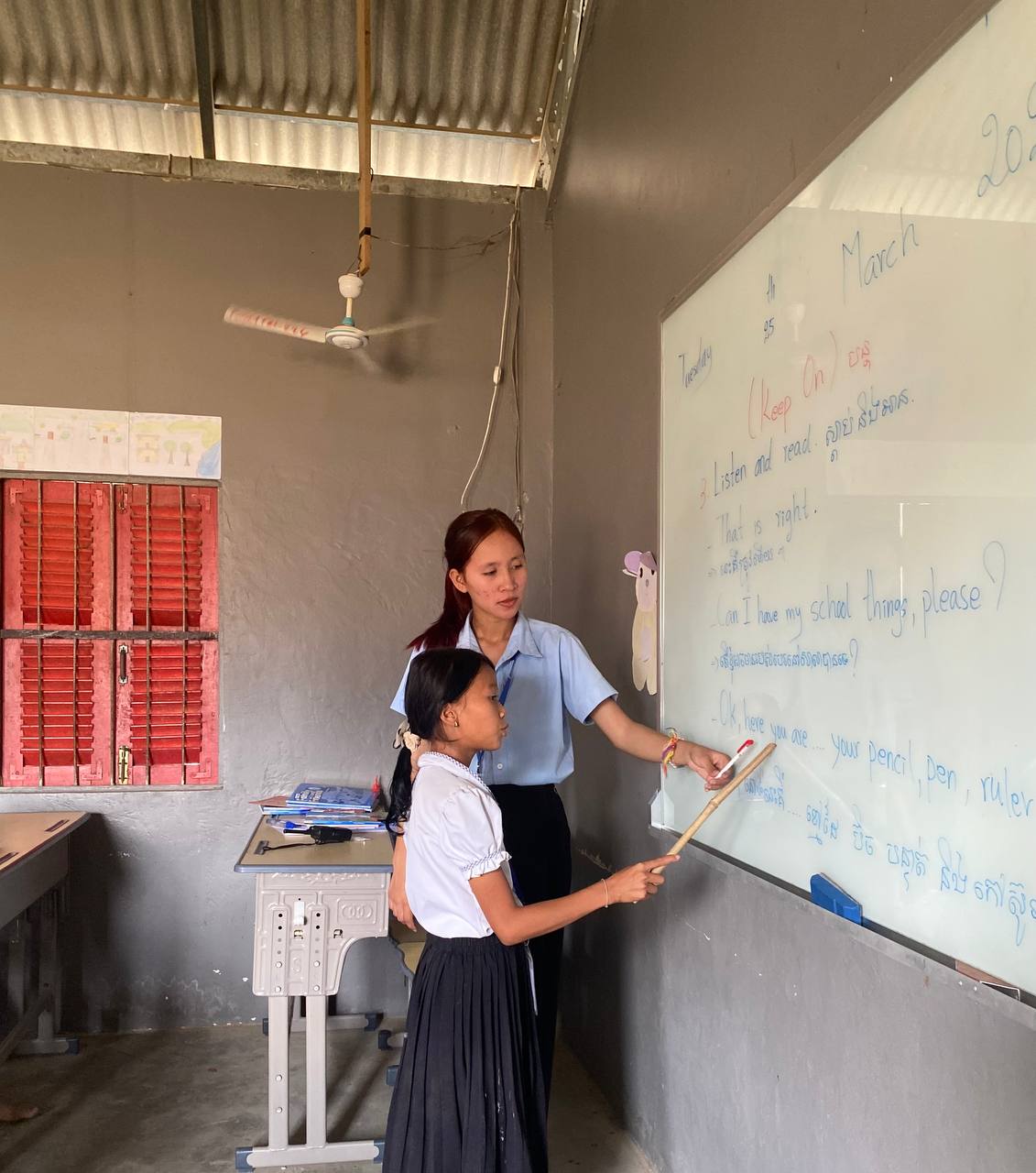
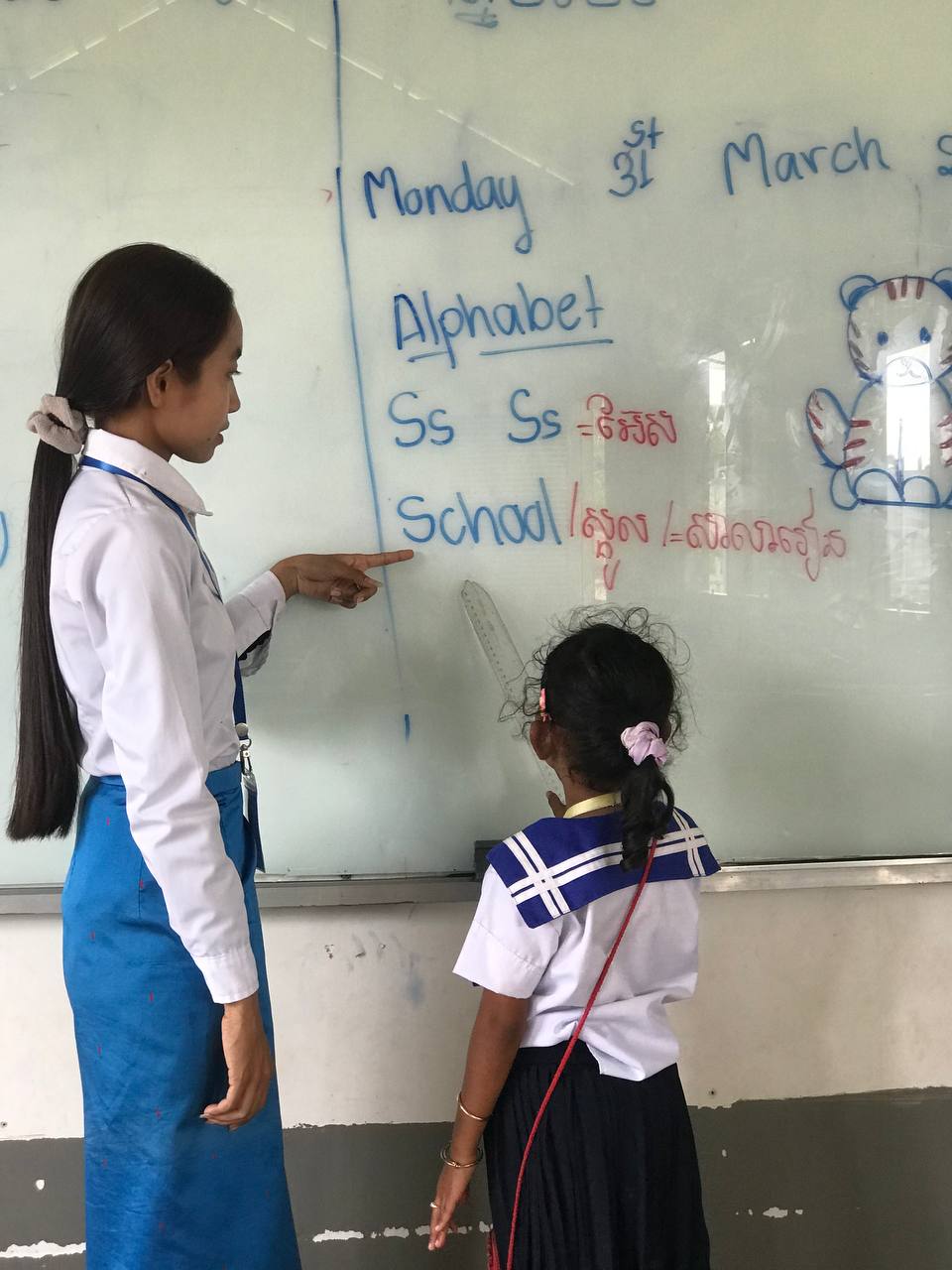
Context and Justification: In the project area, primary schools lack English teachers. As a result, children have no opportunity to study English until they reach secondary school. By that time, they struggle with advanced lessons and fall behind their peers. To bridge this gap, we run a Basic English Project for primary school students, giving them the foundation they need to succeed at higher levels of education.
Motherland Cambodia Education Project (MoCEP): The MoCEP, delivered through the Motherland Cambodia Education Center (MLC), provides children and youth with quality education, health support, and life skills. It combines classroom learning at the center with Home Based Learning outreach sessions in villages, ensuring inclusive access for all children.
Background and Justification: In Cambodia, children from low-income families face persistent barriers to education, health care, and nutrition. These challenges limit their ability to succeed in school and keep families trapped in cycles of poverty. To respond, CCAFO established the Motherland Cambodia Education Center (MLC) as a community hub where children can learn, grow, and thrive. Since its founding, MLC has expanded beyond English language instruction to provide Khmer literacy, school gardening, STEM basics, sports, basic health education, and school meals. To reach children unable to attend the center, the team has also introduced Home Based Learning, bringing engaging lessons directly into villages.
The MoCEP captures this broader vision: a comprehensive program that integrates education, health, and community participation to support children’s development both inside and outside the classroom.
Primary Activities of the English Language Project: Here are the following core activities that make up our English Language Project. The program goes beyond teaching English, combining education, health, nutrition, and life skills to give every child the chance to learn, grow, and thrive.
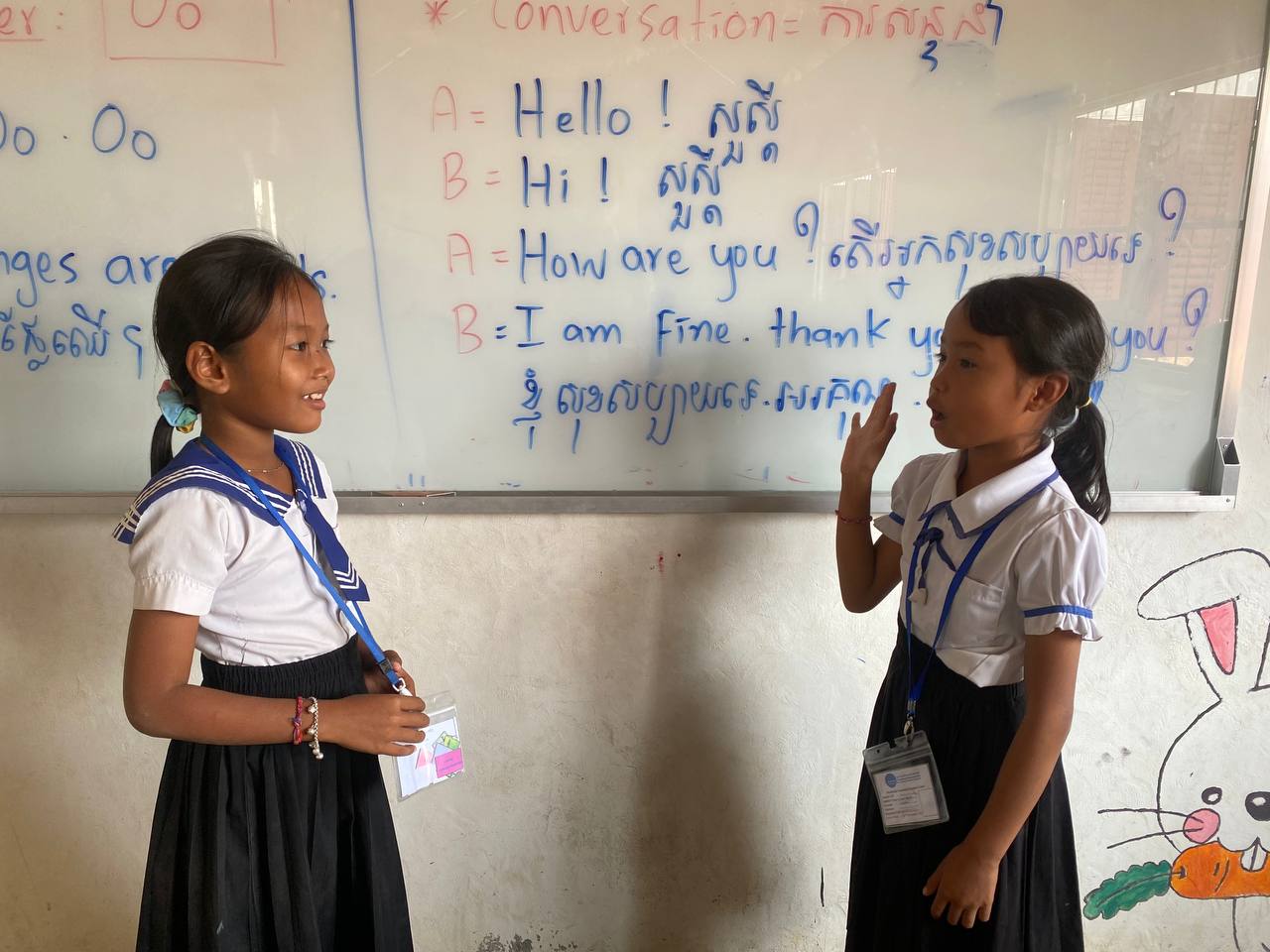
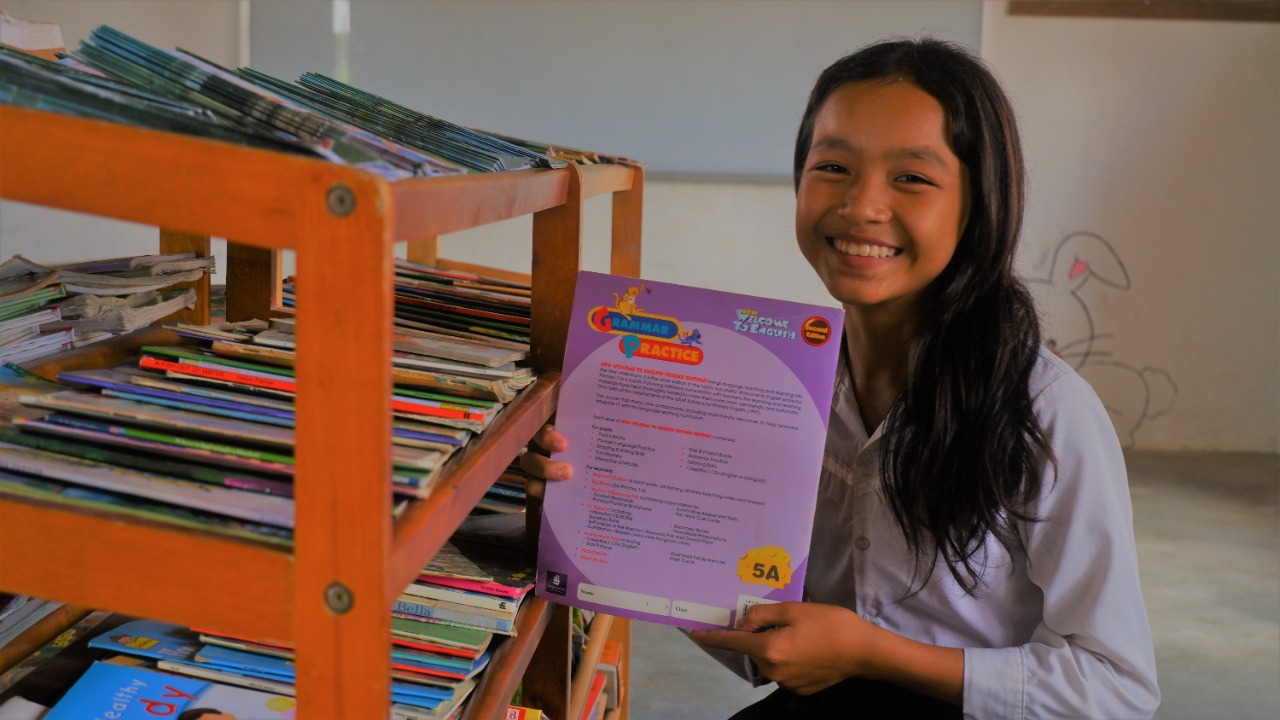
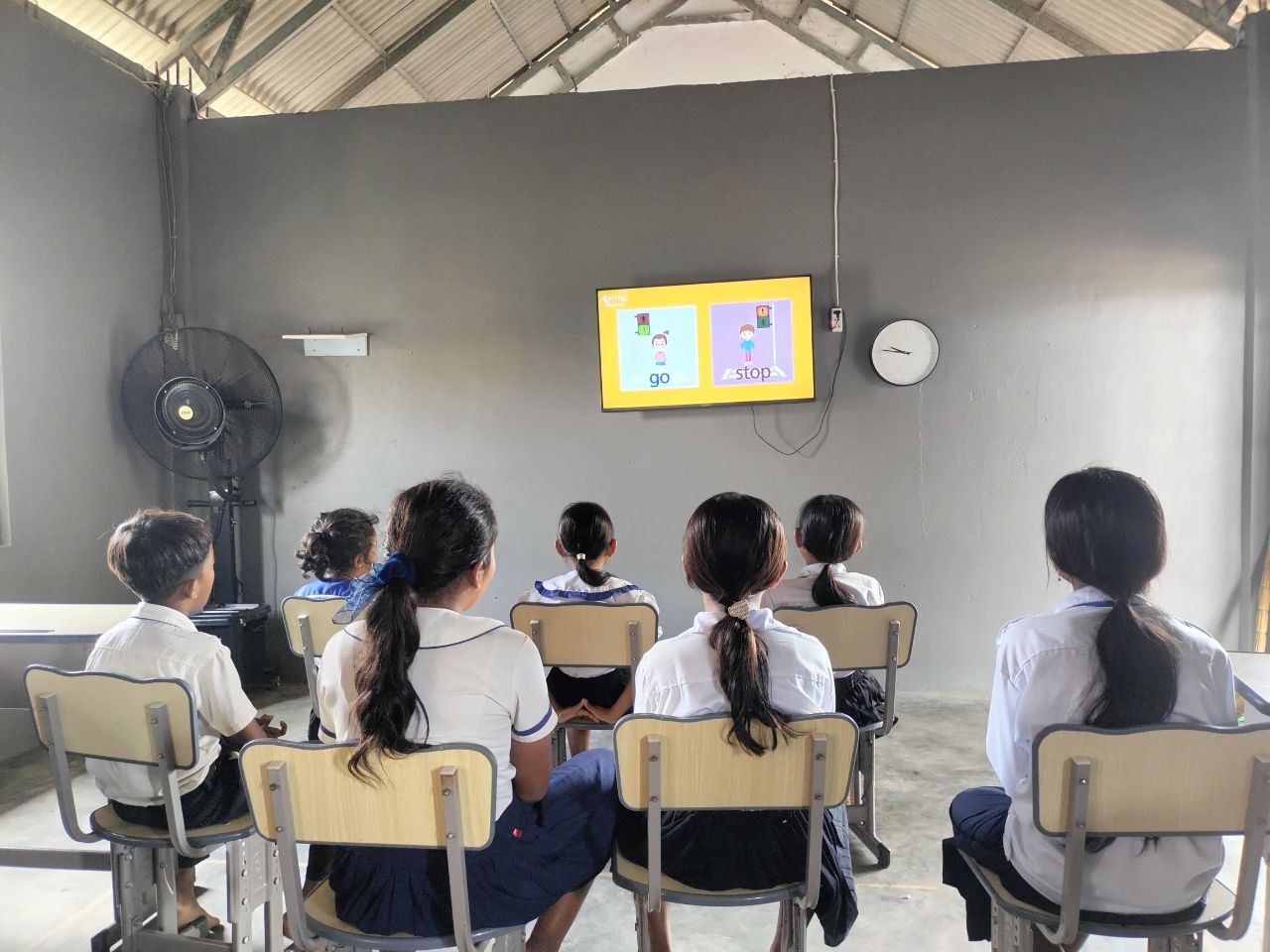
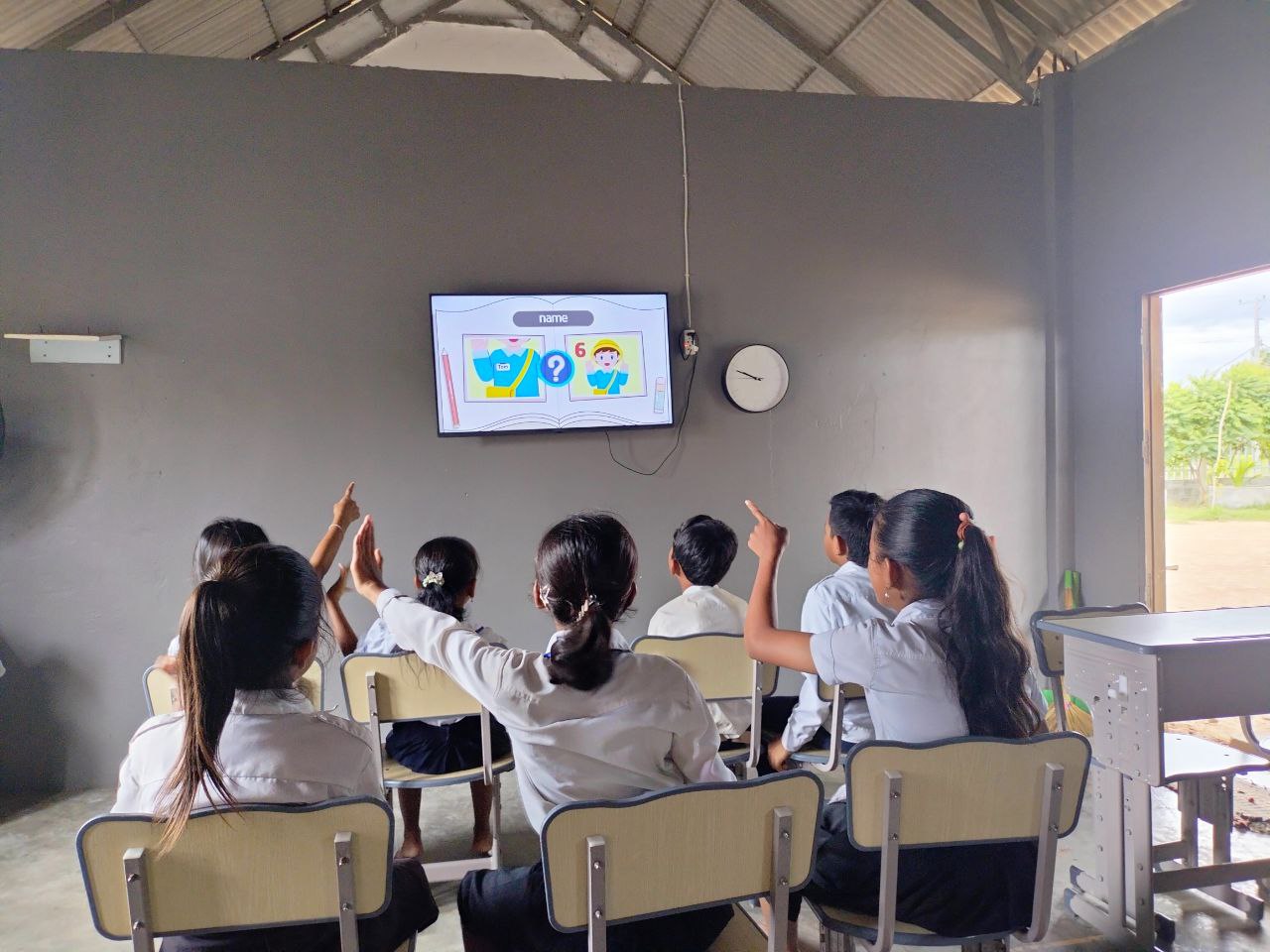
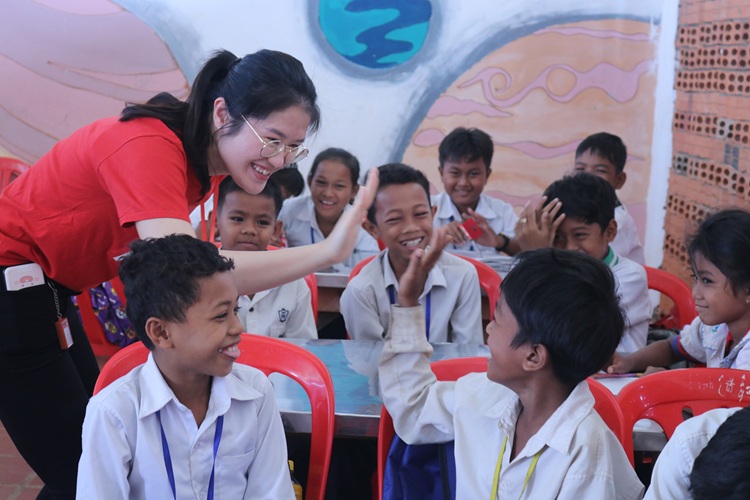
English Language Course: Children receive structured instruction in speaking, reading, and writing English. These skills are essential for future job opportunities, higher education, and participation in a global economy. The teachers deliver a Practical English Conversation Course designed to strengthen students’ spoken language and conversational fluency. Lessons cover grammar, pronunciation, and everyday topics, while practical sessions allow students to interact in a supportive environment that builds confidence for real-world communication. The MLC has been implementing the English Language Project for a Better Life, which is a core component of CCAFO’s educational program. We take this opportunity to sincerely thank our funding partners, local communities, and other stakeholders whose support makes this program possible.
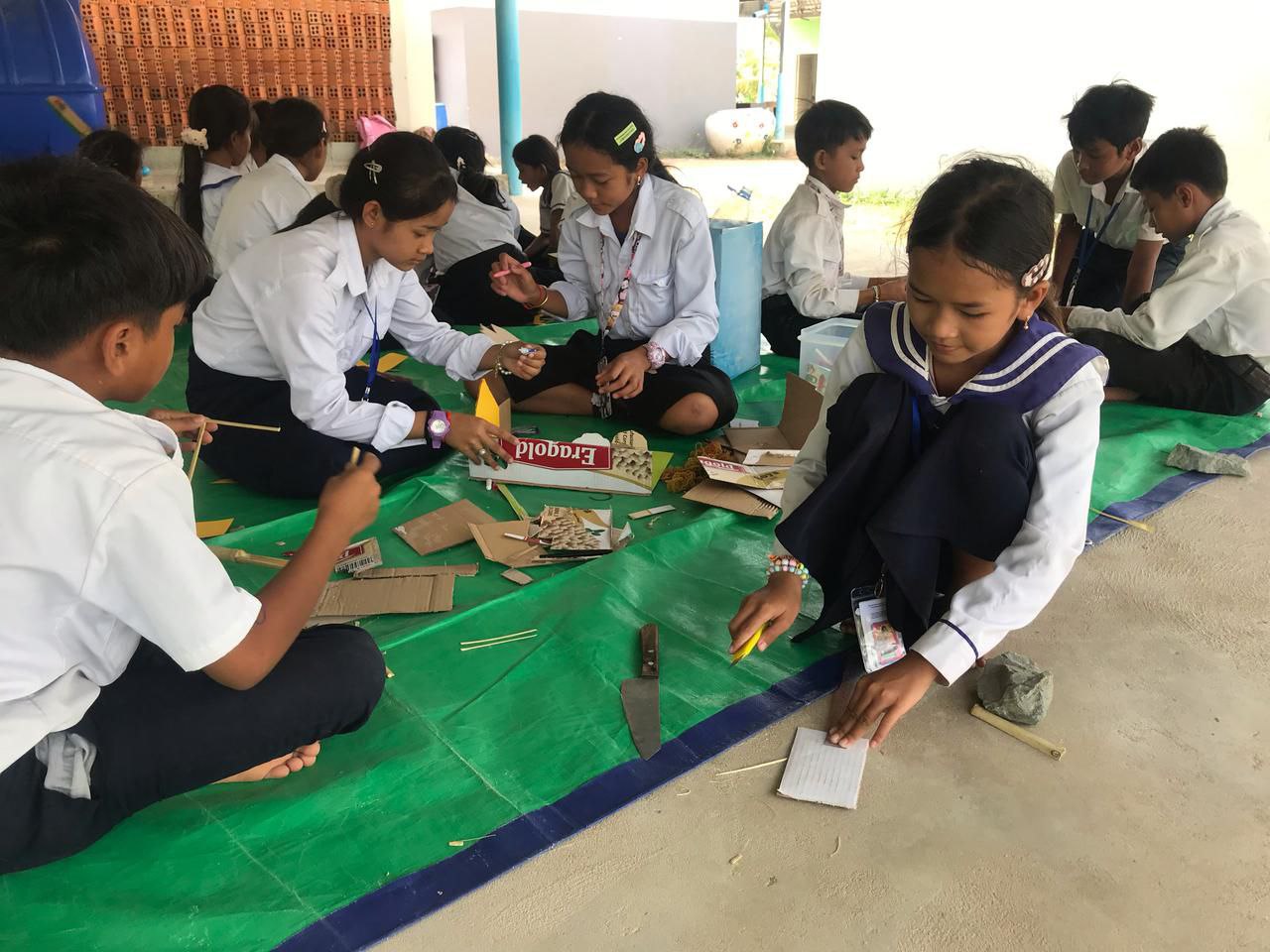
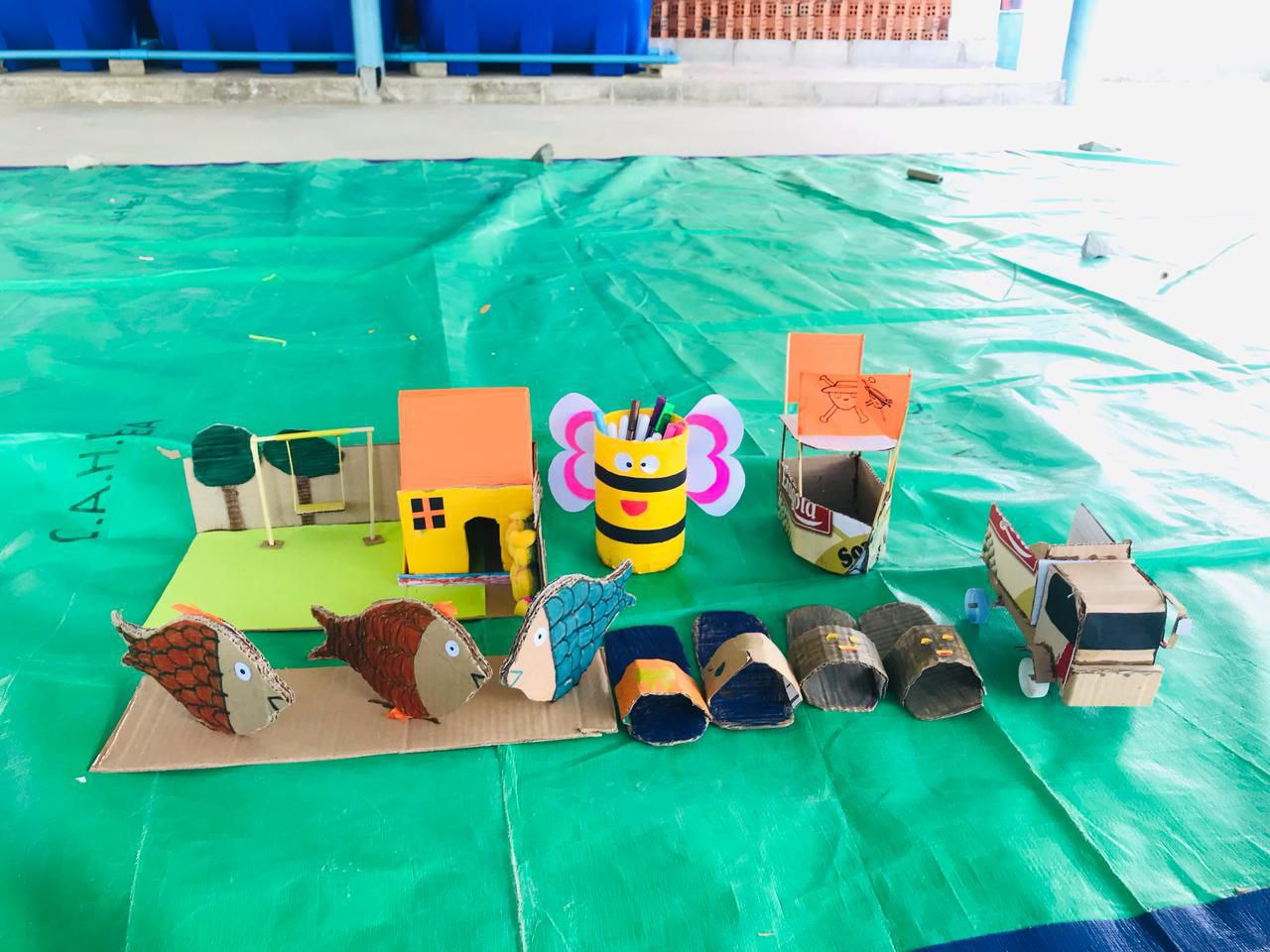
STEM (Basic Level): Children are introduced to basic STEM activities designed for beginners. Through simple, hands-on experiments in science and math, they learn by doing and begin to build curiosity, creativity, and problem-solving skills. This early exposure gives students confidence in subjects often viewed as difficult, laying the foundation for continued learning. By sparking interest at a young age, the program helps children see science and math not as barriers but as opportunities essential to Cambodia’s future development.
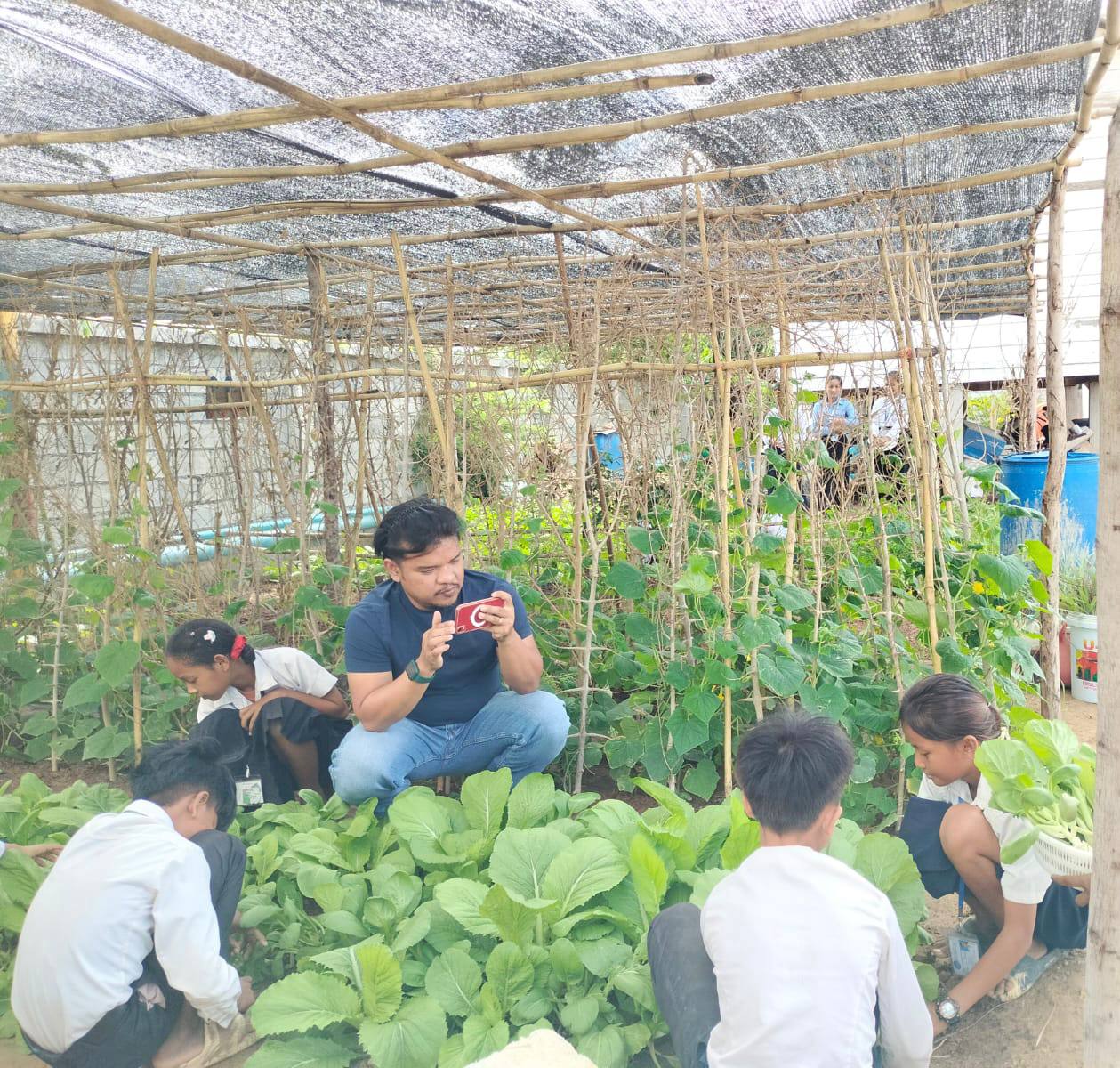
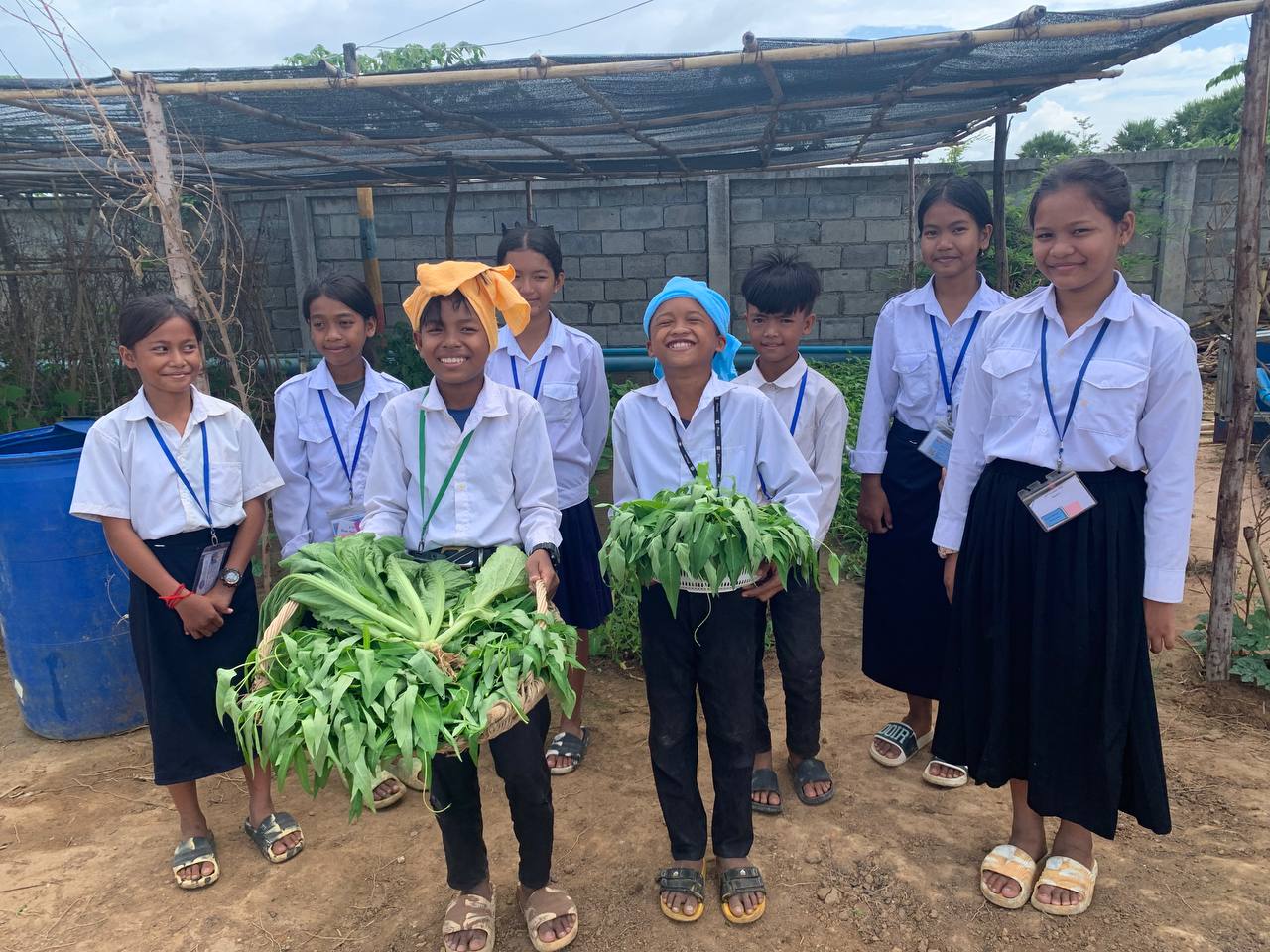
School Gardening: Students grow vegetables and flowers while learning about nutrition, responsibility, and environmental care. The harvest contributes to healthier meals for their families and shows children the value of sustainable living. Gardening is not only part of their education today, but also a life skill they can carry into adulthood, helping them provide for themselves and their communities in the future.
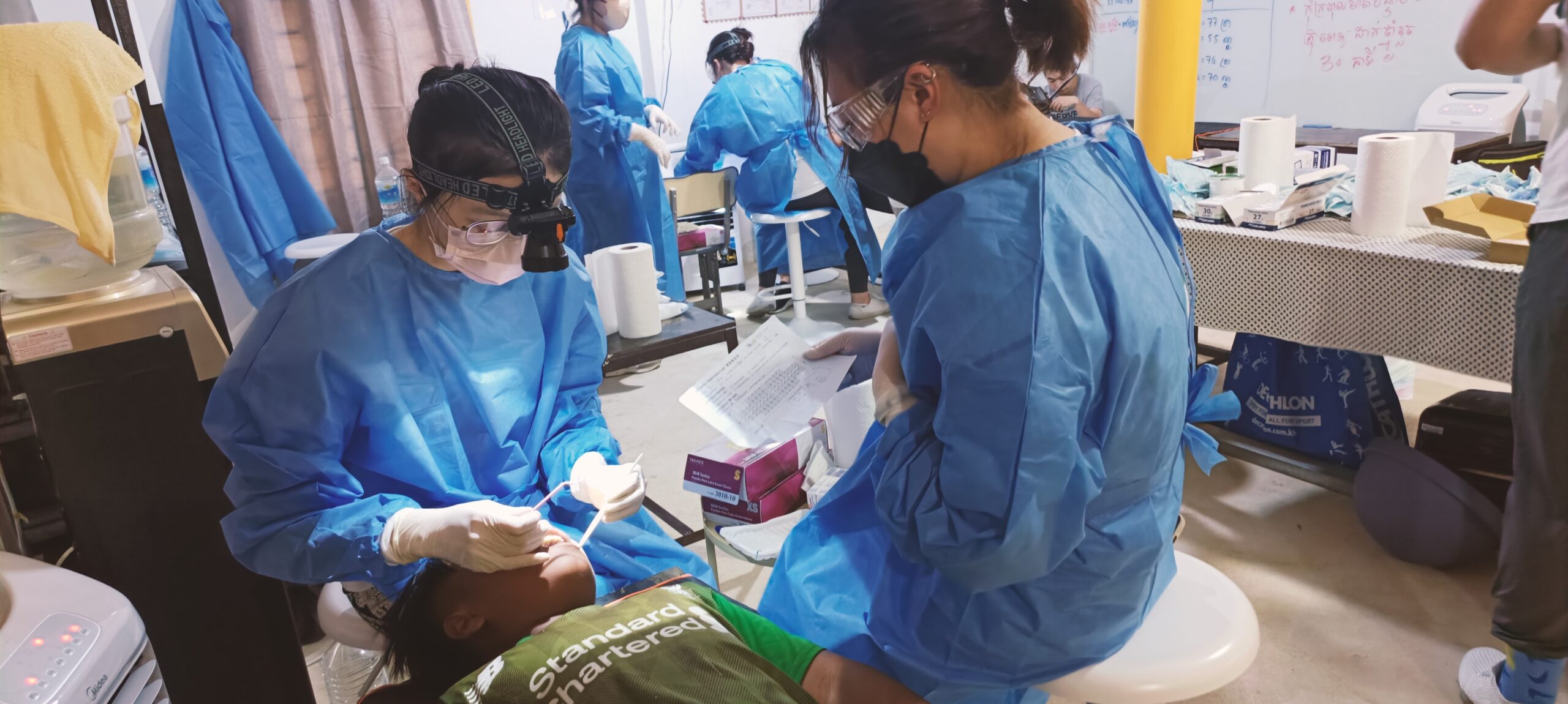
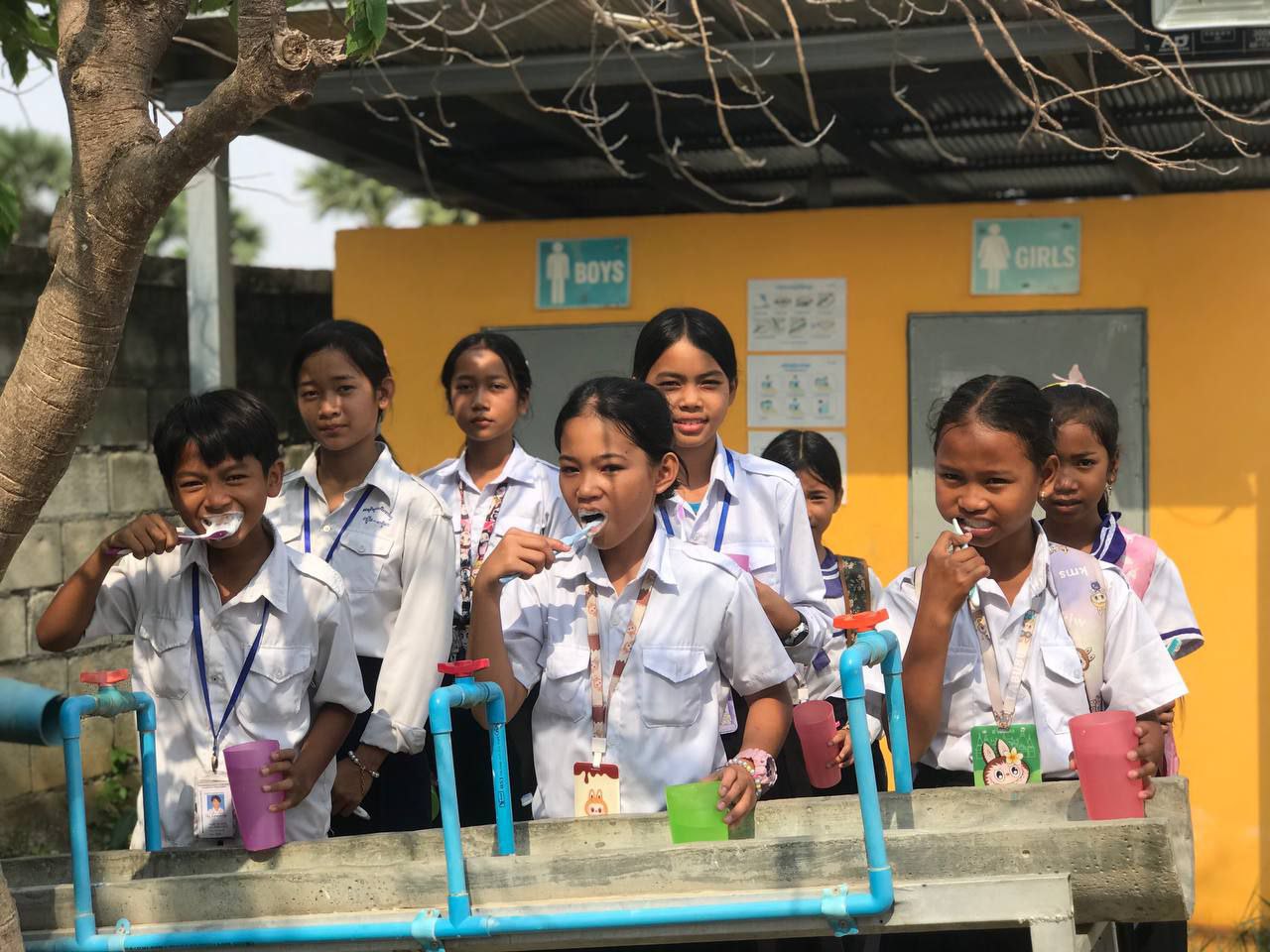
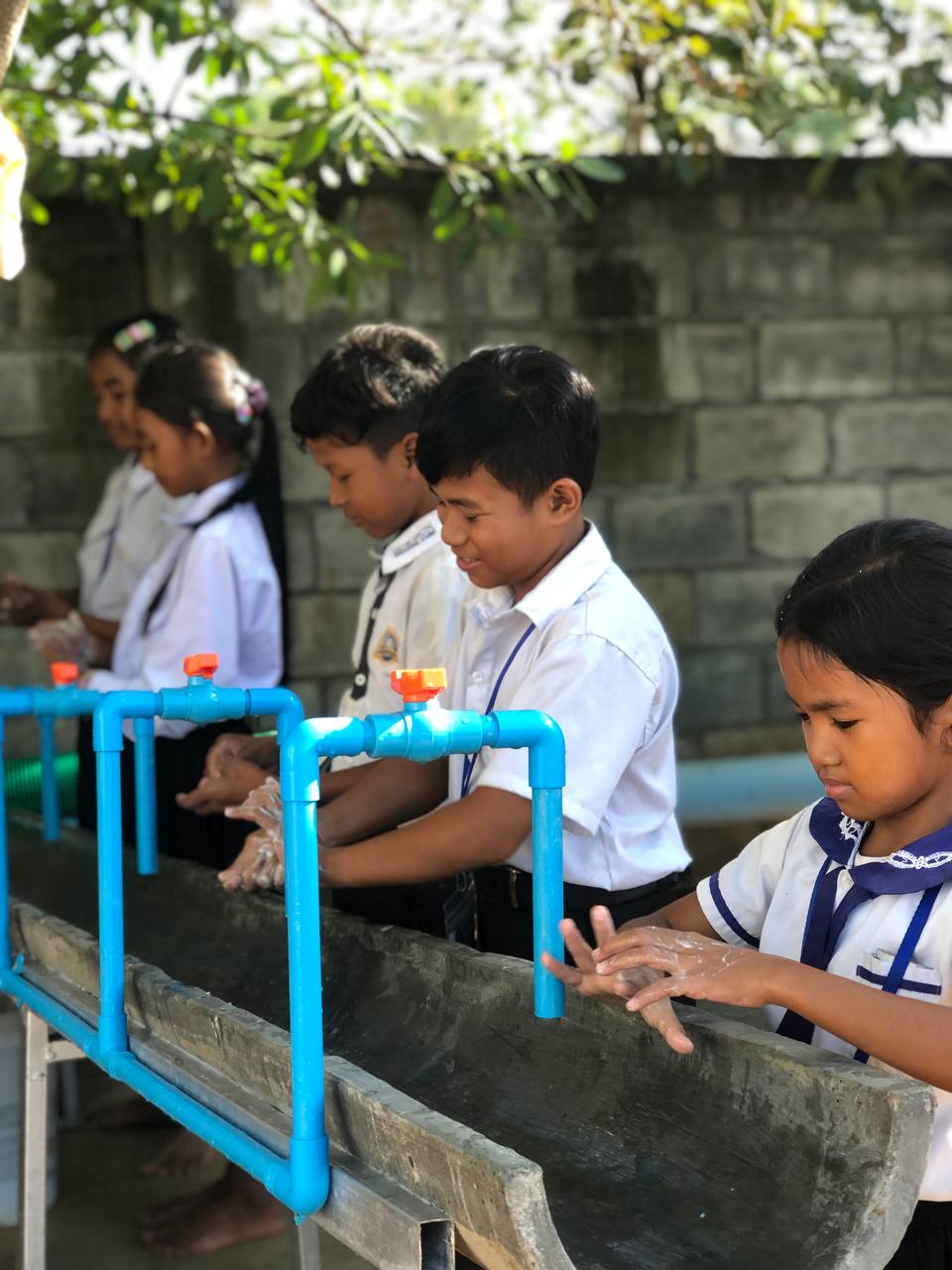
Basic Oral Health Care and Hand Washing: Simple hygiene routines such as brushing teeth and washing hands protect children from preventable illness. These habits keep them healthy and ready to learn while also reducing school absenteeism. In addition, our NGO partners in Hong Kong and Cambodia have conducted basic dental care for the students, further supporting their long-term well-being.
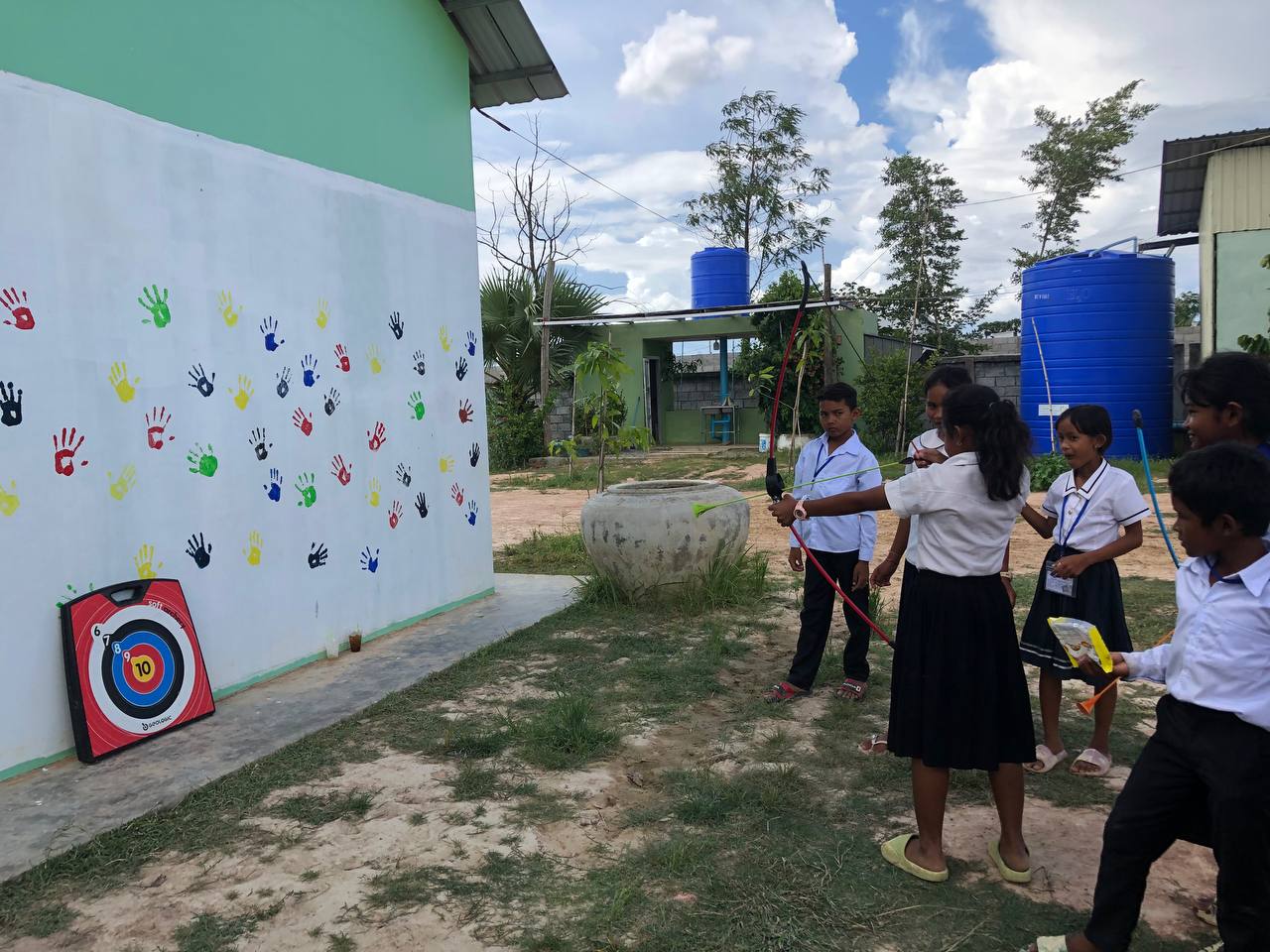
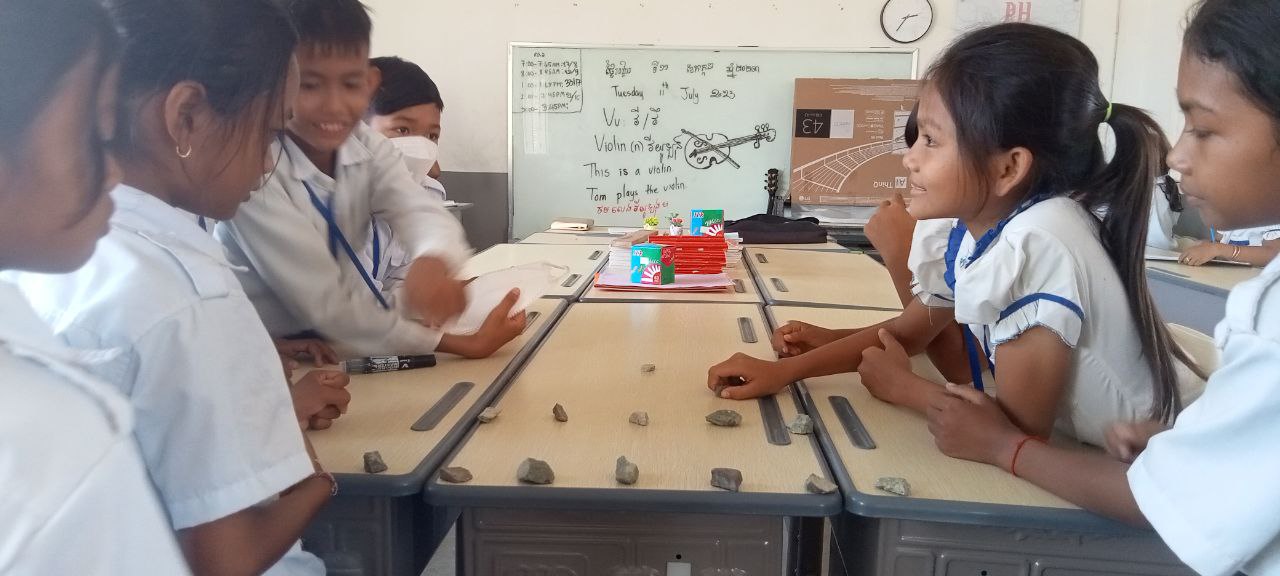
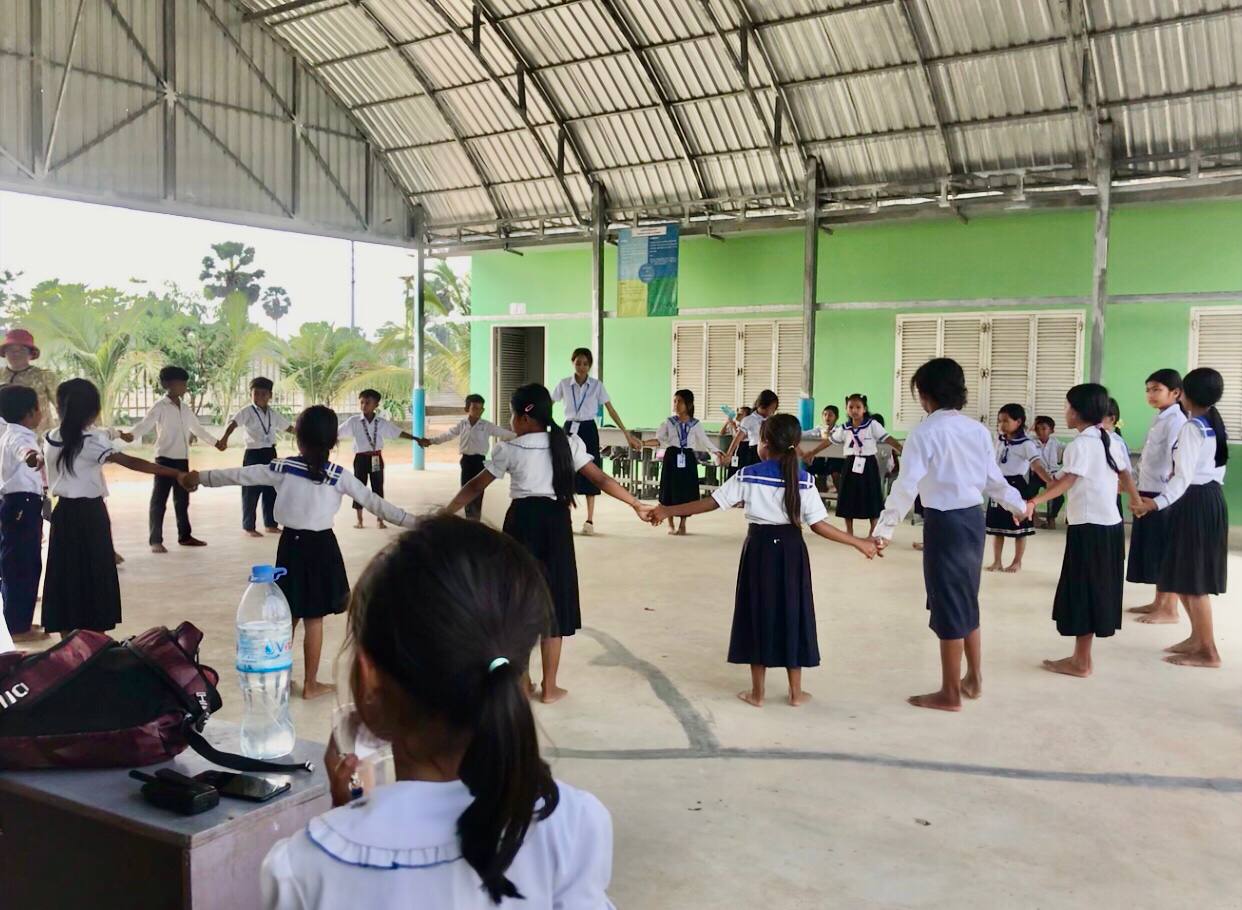
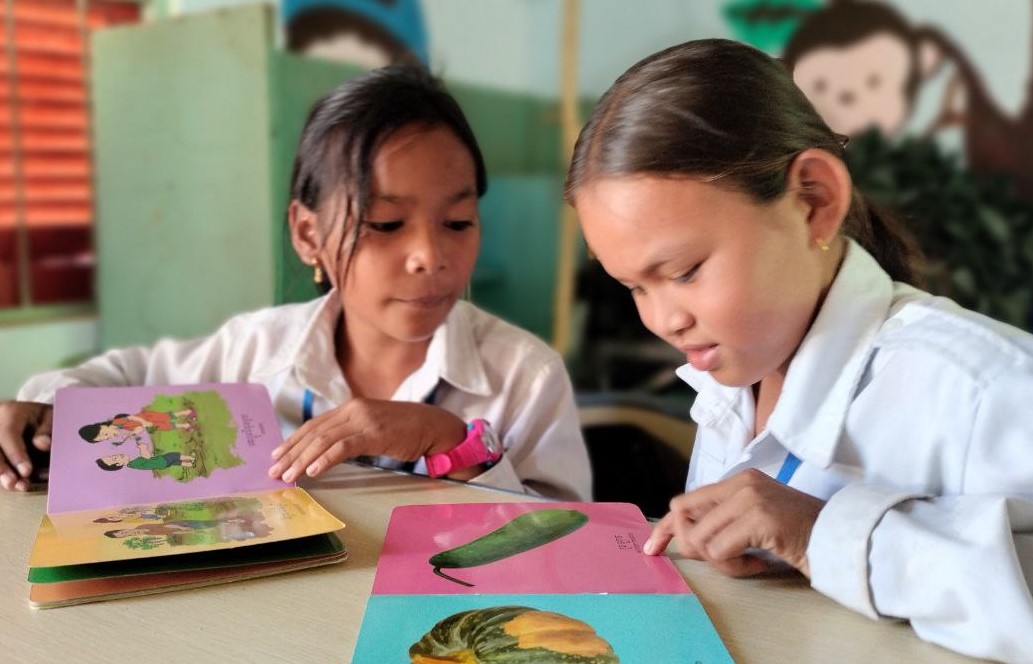
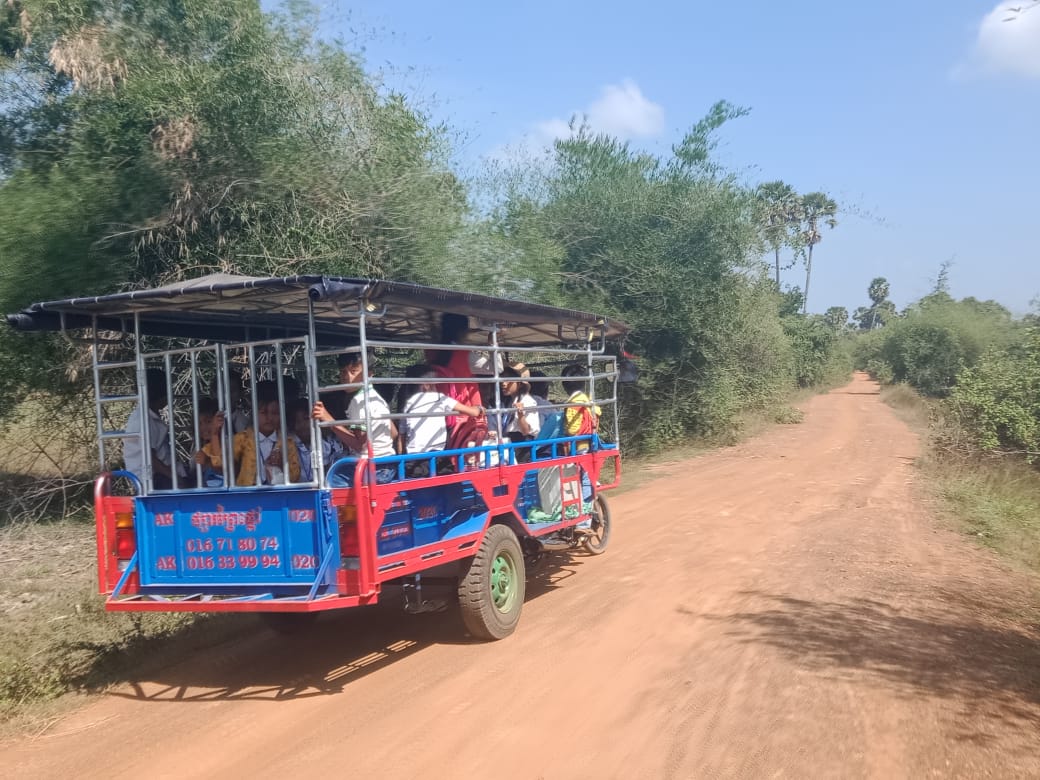
The Home Based Learning: It provides direct support to children who are unable to attend the English Language Course at the Motherland Cambodia Education Center (MLC). This initiative was introduced to overcome several barriers: many older children must remain at home to care for younger siblings, some attend state school in the afternoon and prefer to keep mornings free, and during the wet season, parents and guardians are occupied with rice farming, often requiring children to assist or accompany them.
To respond to these challenges, the project delivers simple educational materials, structured learning activities, and guidance for guardians to actively support their children’s education at home. Activities such as reading, vocabulary practice, drawing, and coloring help children continue developing foundational language skills in a safe and familiar environment.
The project aims to reach 100 children. Below are the outcome indicators recorded by the team since implementation began on August 11, 2025. See the statistics records in below.
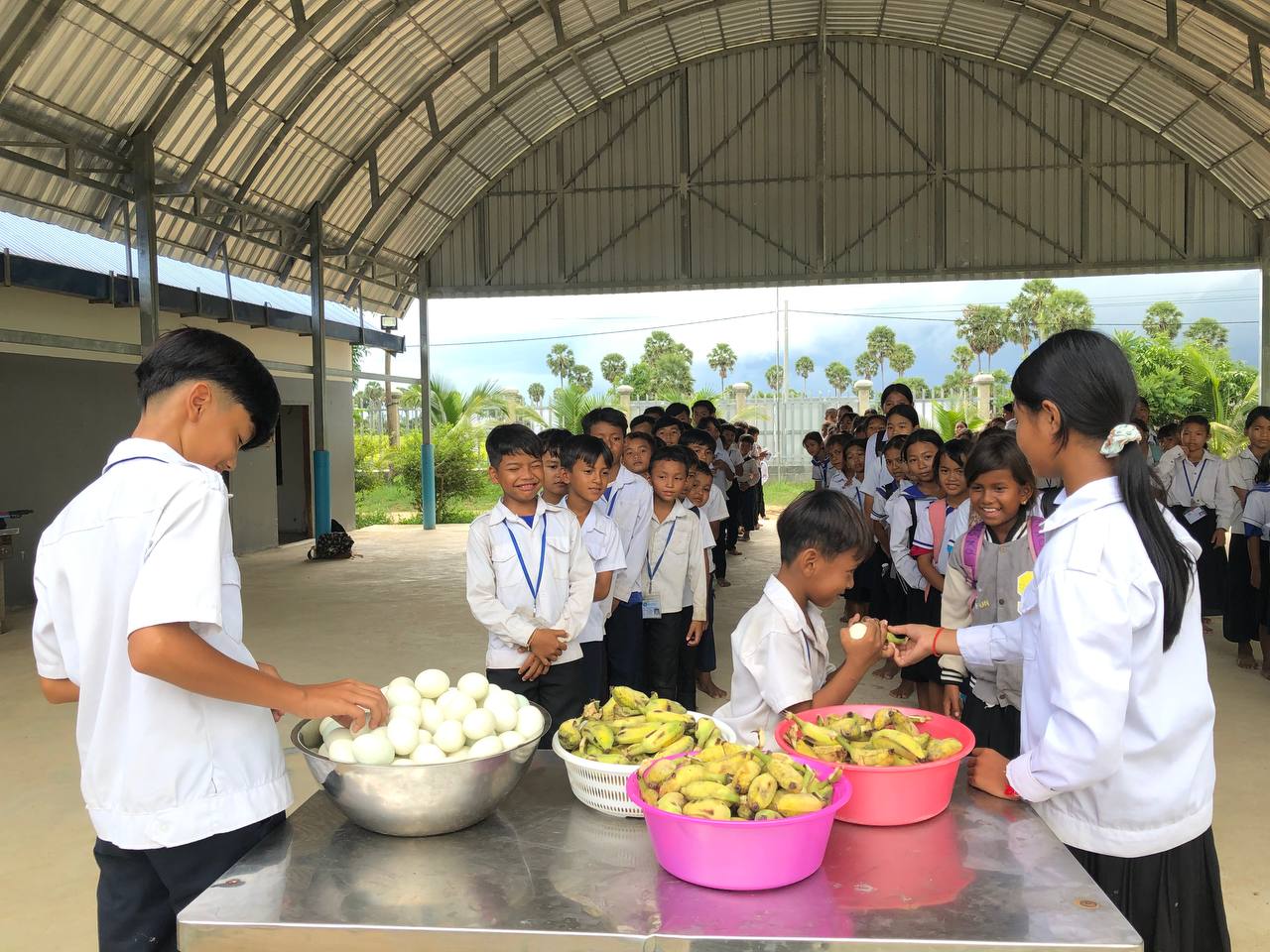
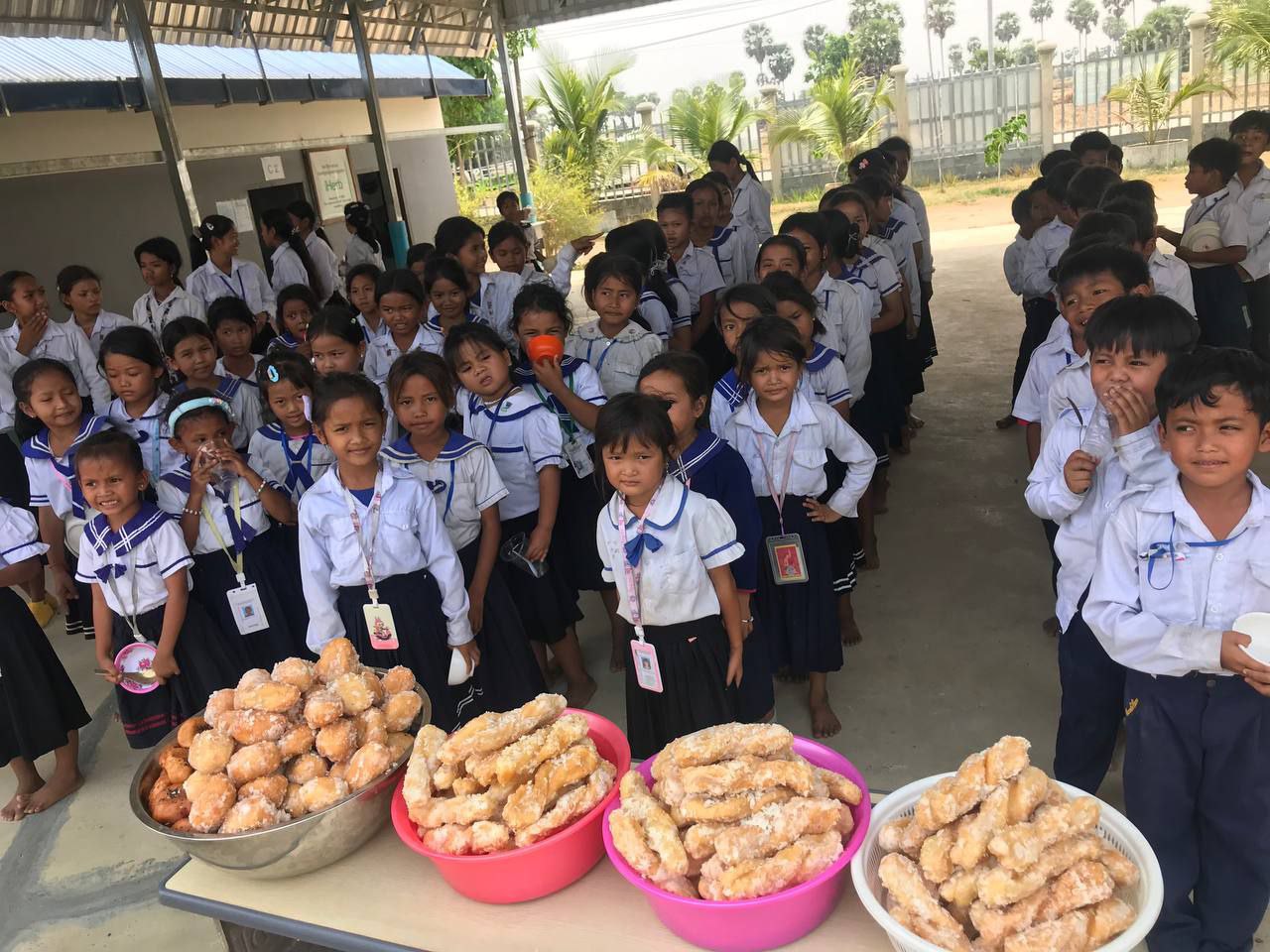
School Nutritious Snacks: The importance of providing healthy snacks for students in schools cannot be emphasized enough. By incorporating nutritious snacks into their diet, students can improve their overall health and well-being. Not only do healthy snacks provide essential vitamins, minerals, and nutrients, but they also help to reduce hunger pangs and combat lethargy, allowing students to focus and concentrate better in class. Moreover, when students have access to healthy snacks during the day, they are less likely to reach for unhealthy options that are loaded with sugar, salt, and calories. Therefore, it is crucial for schools to prioritize and invest in healthy snack options for their students, as this can have a significant impact on their academic performance, physical health, and long-term well-being. We take this opportunity to thank you for your support!
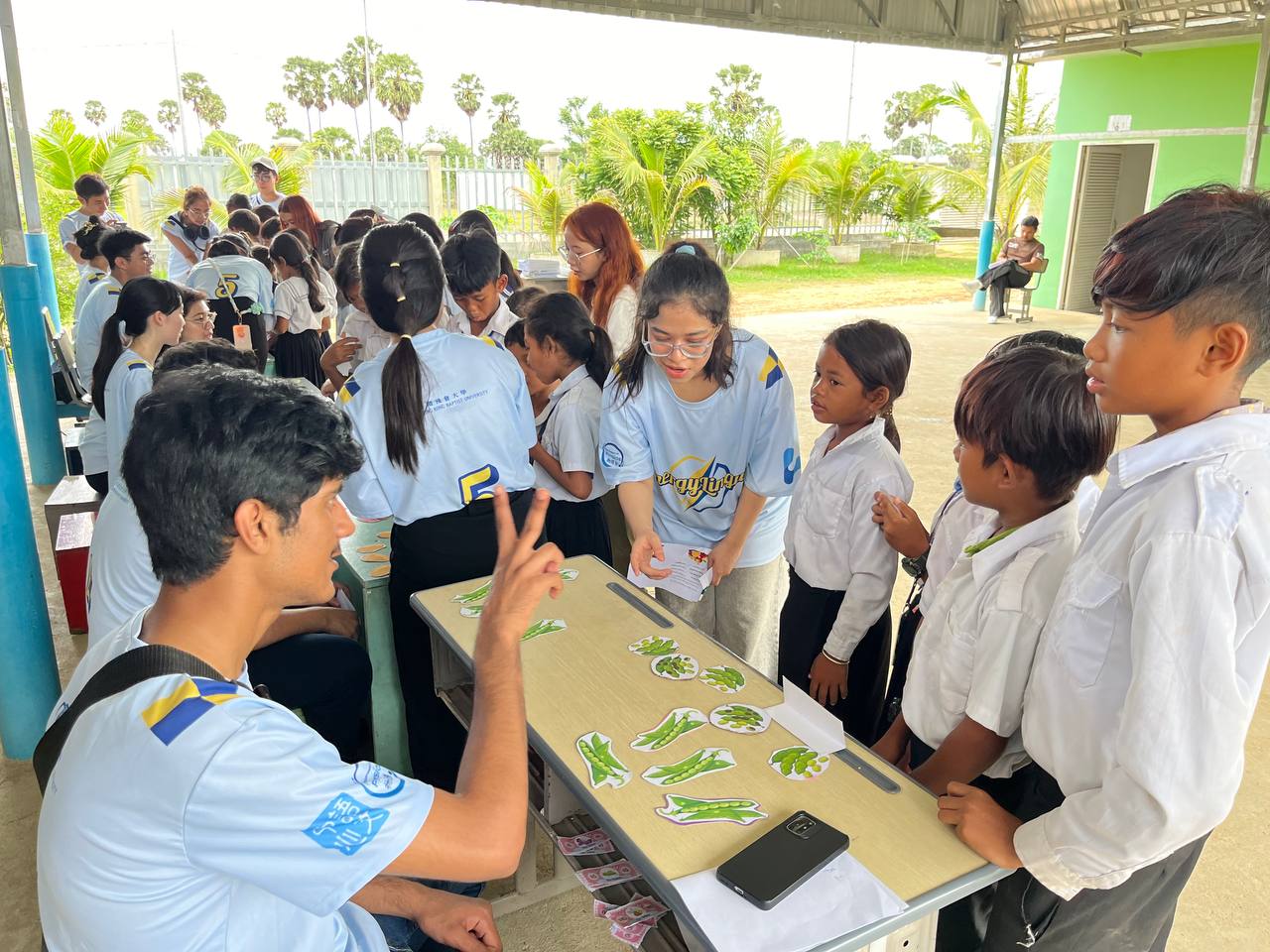
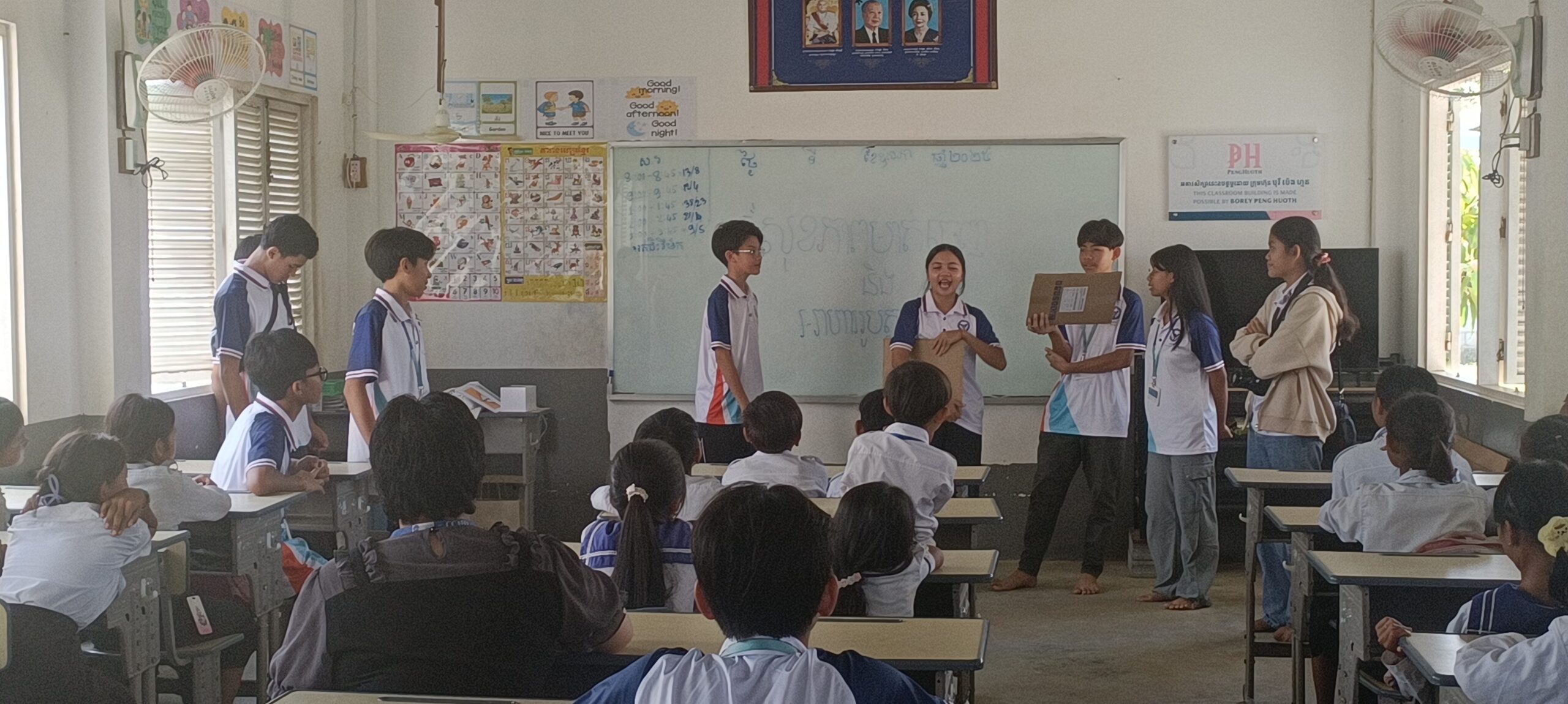
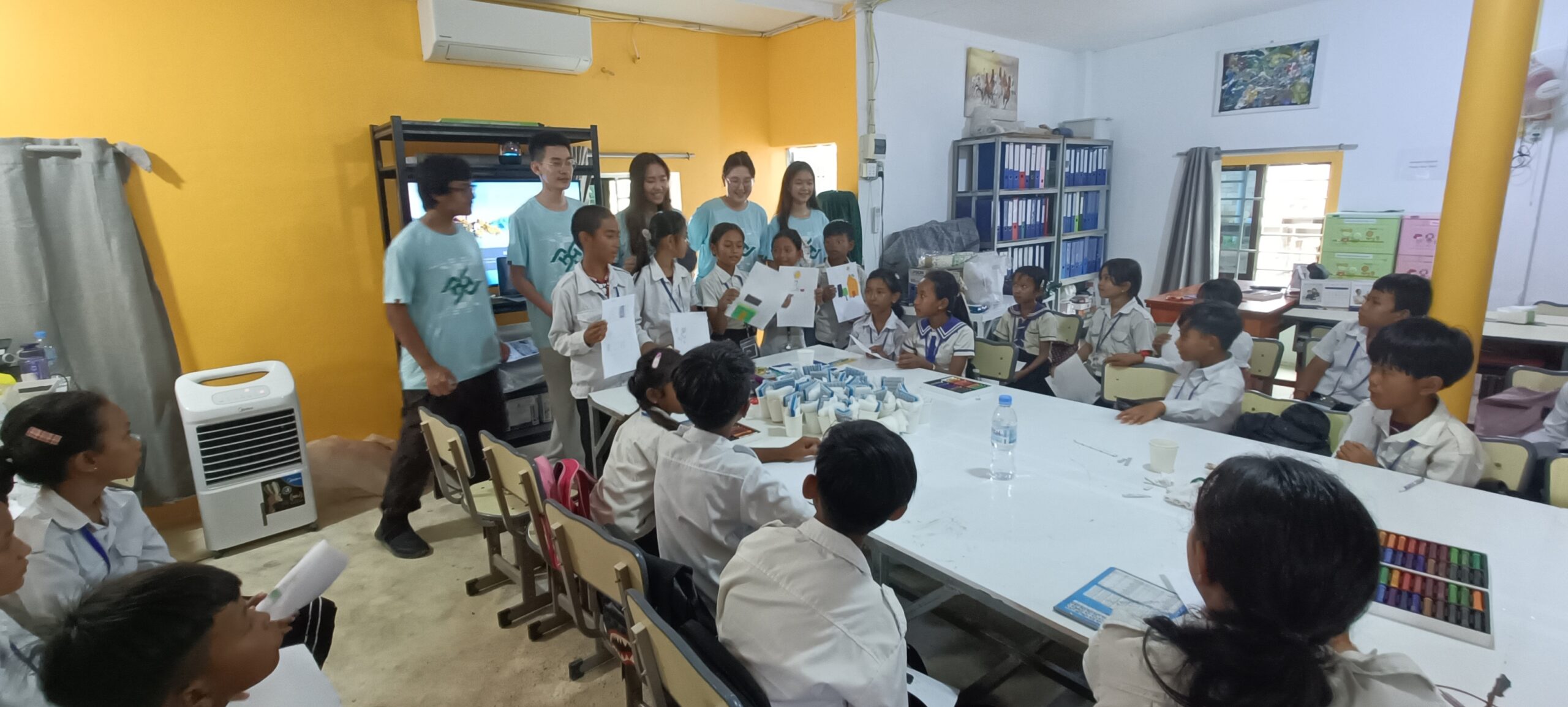
Exchange Learning: It is our vision to provide Cambodian students with the opportunity to learn not only from their own teachers and peers, but also from university students both within Cambodia and abroad. Exchange learning creates a dynamic environment where knowledge, culture, and perspectives are shared.
Through these activities, Cambodian children are introduced to new ideas, creative methods, and practical skills directly from visiting students who bring diverse educational experiences. This interaction inspires curiosity, builds confidence, and encourages teamwork while exposing them to global ways of thinking.
At the same time, university students gain valuable insights into Cambodian culture, resilience, and community life, allowing for mutual respect and understanding. By bridging local classrooms with national and international student networks, exchange learning strengthens educational quality and helps young learners in Cambodia prepare for a rapidly changing world.
Our goal is to continue expanding these opportunities so that every child can benefit from meaningful learning exchanges, equipping them not only with knowledge but also with a sense of belonging to a wider global community.
Statistics Indictor
Statistics Indicator Records-Home Base Learning
No Data Found